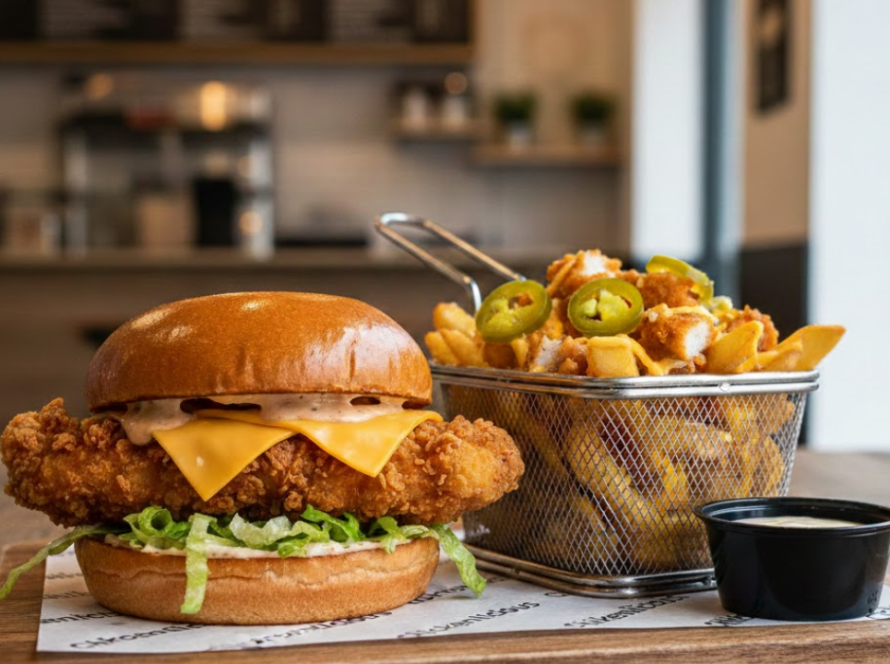
Direct Answer: Yes, chicken wings and chicken drumsticks can be healthy foods. They are rich in high-quality protein, B vitamins, iron, zinc, and phosphorus. The key is always how you cook them. Baked, grilled, or air-fried versions with minimal sauce are genuinely nutritious. Deep-fried wings loaded with sugar-heavy sauces are a different story. Drumsticks are slightly leaner and more calorie-efficient per serving. Wings offer slightly higher protein by weight. Both cut neatly into weight loss, keto, high-protein, and general healthy diets when prepared the right way. Whether you are cooking at home or picking up an order of Chicken Licious Wings on a Friday evening, the nutritional outcome depends almost entirely on how the chicken is prepared.
Why People in the UK Are Confused About Chicken Wings and Drumsticks
When most people hear ‘chicken wings’, they picture a greasy takeaway box from a Friday-night order. When they think of drumsticks, they often picture a deep-fried piece from a fast-food bucket. That image has convinced a lot of people that both cuts are junk food. But that is simply not true.
Chicken wings and drumsticks are both dark meat cuts. Dark meat has a bad reputation because it contains more fat than chicken breast. But most of that fat is unsaturated fat, which the NHS and the British Heart Foundation recognise as beneficial for cardiovascular health when consumed as part of a balanced diet. The real problems appear when these cuts are deep-fried, coated in heavy batter, and covered in high-salt, high-sugar sauces.
This guide goes through the actual numbers. You will get clear nutrition data, a direct comparison of wings versus drumsticks, a breakdown of how different cooking methods change the picture, and straightforward advice tailored for UK households and diets. No guessing, no filler.
Chicken Wings and Drumsticks Nutrition Facts (Per 100g, Cooked)
These numbers are based on verified food composition data. The figures are for plain cooked chicken with no added breading, sauces, or cooking oils. Salt values are listed in grams, consistent with how UK food labels display them under traffic light labelling guidelines.
| Cut (per 100g, cooked) | Calories | Protein | Total Fat | Sat. Fat | Carbs | Salt |
| Chicken Wing (skin on) | 203 | 30.5g | 8.1g | 2.3g | 0g | ~0.2g |
| Chicken Wing (skin off) | ~150 | 23g | 6g | 1.5g | 0g | ~0.2g |
| Chicken Drumstick (skin on) | 172 | 24.2g | 8.2g | 2.2g | 0g | ~0.2g |
| Chicken Drumstick (skin off) | ~155 | ~24g | ~5.7g | 1.6g | 0g | ~0.2g |
| Fried Wings (with sauce) | ~290 | ~27g | ~20g | 5g | 0-15g | ~2.5g+ |
| Baked Wings (no sauce) | ~162 | ~22g | ~4.5g | 1.2g | 0g | ~0.4g |
Source: USDA FoodData Central (2024) / UK McCance and Widdowson Food Composition Tables. Salt values calculated by multiplying sodium by 2.5, consistent with UK food labelling standards. Values vary by bird size and exact cut.
A few things stand out right away. Plain chicken wings and drumsticks contain zero carbohydrates on their own, making them naturally compatible with low-carb and ketogenic diets. The protein content is high in both cuts. The salt column is what jumps when you move to the fried and sauced versions. A restaurant or takeaway portion of wings can easily push past the NHS recommended maximum of 6g of salt per day in a single sitting, which is worth knowing if you are managing blood pressure or cardiovascular health.
What Makes Chicken Wings and Drumsticks Healthy
High-Quality Complete Protein
Both cuts deliver a full amino acid profile. That means your body can use every gram of the protein for muscle repair, immune function, enzyme production, and hormone regulation. A single medium chicken drumstick provides roughly 18 to 22 grams of protein, depending on size and preparation. Six wings deliver between 36 and 54 grams of protein, comparable to a full chicken breast fillet. High protein intake helps you feel full for longer, which is one reason these cuts work well for people managing their appetite alongside their calorie intake.
B Vitamins for Energy and Brain Health
Chicken is one of the best dietary sources of B vitamins, particularly niacin (B3) and vitamin B6. Niacin helps your body convert food into usable energy. Vitamin B6 supports brain function, helps produce neurotransmitters, and plays a role in red blood cell formation. Drumsticks tend to be slightly richer in both of these vitamins compared to wings. Both cuts also contain small amounts of vitamin B12, which is important for nerve function and preventing fatigue, something the NHS highlights as a common deficiency in UK adults who eat little meat.
Iron, Zinc, and Phosphorus
Dark meat chicken contains more iron than white meat. Iron is responsible for carrying oxygen through your bloodstream, and the NHS estimates that iron deficiency is one of the most common nutritional deficiencies in the UK, particularly among women of childbearing age. Zinc supports your immune system and speeds up wound healing. Phosphorus works alongside calcium to maintain strong bones and helps your body produce energy at the cellular level.
Selenium as an Antioxidant
Both chicken drumsticks and wings contain selenium, a trace mineral that acts as an antioxidant inside the body. Selenium helps protect your cells from oxidative damage, supports healthy thyroid function, and may help reduce low-level inflammation over time. UK soil is relatively low in selenium, which means dietary sources like chicken become especially valuable for meeting daily requirements.
Naturally Healthy Unsaturated Fats
The fat in chicken skin is often called unhealthy without much evidence. Most of the fat in chicken skin is unsaturated, meaning it is associated with better cholesterol profiles and reduced inflammation. The British Heart Foundation is clear that unsaturated fats, found in foods like chicken, oily fish, and nuts, are preferable to saturated fats when it comes to heart health. Saturated fat in chicken is present, but in moderate amounts when the wings or drumsticks are not deep-fried in extra oil.
Collagen from the Connective Tissue
The bones, joints, and skin of a chicken contain collagen. Slow cooking or braising chicken wings and drumsticks releases this collagen into the cooking liquid. Dietary collagen supports joint flexibility, skin elasticity, and may help reduce joint discomfort with regular intake. This is one reason slow-cooked chicken and bone broth have become popular in the UK among people focused on recovery, healthy ageing, and long-term joint care.
What Makes Chicken Wings and Drumsticks Unhealthy
The chicken itself is not the problem. Here is what turns a genuinely nutritious food into a less healthy one.
Deep Frying Changes Everything
When you deep fry chicken, the outer coating absorbs a significant amount of cooking oil. A typical portion of two deep-fried wings can carry around 300 calories, 20 grams of fat, and over 1,500mg of sodium (about 3.75g of salt). Baking the same two wings without sauce drops the numbers to roughly 160 calories, 4.5 grams of fat, and a fraction of the salt. The difference is not small. Deep frying at very high temperatures also generates compounds called advanced glycation end products (AGEs), which are linked to inflammation and accelerated cellular ageing when eaten regularly over time.
Heavy Sauces and Takeaway Marinades
Plain hot sauce on its own is not particularly bad. A tablespoon of standard chilli sauce or vinegar-based hot sauce contains around 20 to 30 calories with minimal sugar. But the popular options stack up quickly. Honey mustard adds around 60 calories per tablespoon. Blue cheese or garlic mayo dips can hit 120 to 150 calories per tablespoon. A typical takeaway order might arrive drenched in four or five tablespoons of sauce per portion. Add a pot of dip on the side, and you can easily reach 1,000 calories from what started as a 300-calorie plate of chicken. Sweet sauces like honey BBQ and teriyaki also add 8 to 15 grams of sugar per serving, which is important for anyone managing blood sugar levels.
Salt Overload in Restaurant and Takeaway Wings
This is the most significant hidden concern for UK eaters. The NHS recommends adults eat no more than 6g of salt per day (equivalent to 2.4g of sodium). A large order of takeaway chicken wings in the UK can easily contain 3g to 4g of salt before you add any dipping sauce. When you consider that three-quarters of the salt the average UK adult consumes comes from pre-prepared and restaurant foods, according to Action on Salt, takeaway wings can push you comfortably over the daily limit from one meal alone.
High salt intake raises blood pressure over time and is a major risk factor for stroke and heart disease. The British Heart Foundation estimates that reducing UK salt intake to recommended levels could prevent tens of thousands of premature deaths each year. Cooking wings and drumsticks at home is one of the simplest ways to take control of your salt intake.
Boneless Wings Are Not Wings
This is a nutritional misconception worth clearing up for UK customers. Boneless wings are not wings at all. They are pieces of chicken breast that are heavily breaded, battered, and deep-fried. Because of the high breading-to-meat ratio, they typically contain more carbohydrates, more salt, and often more total calories than traditional bone-in wings. If you are making a choice based on nutrition, bone-in wings without heavy breading are almost always the better option.
Chicken Wings vs Chicken Drumsticks: Side-by-Side Comparison
People often ask which one is healthier. The honest answer is that it depends on what you are measuring. Here is the full comparison.
| Factor | Chicken Wings | Chicken Drumsticks |
| Calories (per 100g) | 203 | 172 |
| Protein | 30.5g | 24.2g |
| Total Fat | 8.1g | 8.2g |
| Skin-to-Meat Ratio | High | Lower |
| Potassium | Lower | Higher |
| Cholesterol | Higher | Lower |
| Vitamin B6 | Good | Slightly higher |
| Budget-Friendly | Moderate | Very good value |
| Best For | High-protein snacking | Weight loss, main meals |
| Cooking Versatility | High | Very high |
| Ideal for Keto? | Yes | Yes |
| Good for Heart Health? | Moderate | Better choice |
Drumsticks have the edge for overall nutrient density per calorie. They offer more potassium, slightly less cholesterol, marginally more vitamin B6, and a higher water content, which means more meat per calorie. They are also generally more filling because there is simply more meat per piece.
Wings score slightly higher on raw protein density when measured by weight, because the skin-to-meat ratio is different. However, the higher skin content means more fat per gram of protein compared to drumsticks. For pure protein-per-calorie efficiency, drumsticks win.
For anyone on a budget in the UK, drumsticks are almost always cheaper per kilogram. They are one of the most affordable high-protein options available in British supermarkets and independent butchers, especially when bought fresh in family packs.
How Cooking Method Changes the Nutrition of Wings and Drumsticks
| Cooking Method | Approx. Calories | Fat Level | Salt Risk | Healthiness |
| Baked (skin on, no sauce) | 160-180 | Moderate | Low | Good |
| Baked (skinless) | 80-120 | Low | Low | Excellent |
| Air-Fried | 120-150 | Low-Mod | Low | Very Good |
| Grilled | 130-160 | Low | Low | Excellent |
| Deep-Fried (plain) | 230-290 | High | Moderate | Poor |
| Deep-Fried (with sauce) | 300-450+ | Very High | Very High | Poor |
| Slow-Cooked / Braised | 150-200 | Moderate | Varies | Good |
| Boiled / Poached | ~130 | Low | Low | Good |
Baking: The Best Balance of Flavour and Health
Baking at around 200 to 220 degrees Celsius on a wire rack gives you crispy skin and juicy meat without the oil bath of deep frying. The wire rack lets the fat drip away as it renders, which keeps calories lower. Baked skin-on wings or drumsticks sit in a comfortable 160 to 180 calorie range per piece. Baking without the skin drops this noticeably. A light coating of baking powder (not baking flour) on the skin before baking is a well-known trick for achieving genuinely crispy results at home without any added fat.
Air Frying: Crispy Without the Oil
Air frying has grown enormously in popularity across UK kitchens over the last few years, and it replicates the texture of deep frying without the oil. An air-fried drumstick or wing typically lands between 120 and 150 calories per piece, depending on seasoning and any light oil spray used. The texture is genuinely close to fried, which makes it much easier to stick to healthier cooking habits long term without feeling like you are missing out.
Grilling: The Most Nutritious Option
Grilling on a gas or charcoal grill keeps fat low while adding a smoky depth of flavour that is hard to replicate any other way. Grilled wings or drumsticks pair very well with a simple vinegar-based hot sauce or a dry rub made from smoked paprika, garlic, and black pepper. No extra fat is added during cooking, and the natural fat in the skin drips away, making grilling one of the leanest preparations available.
Deep Frying: Fine Occasionally, Problematic Regularly
Deep frying is not inherently bad for you. The issue is frequency and portion size. Occasional deep-fried wings as part of an otherwise balanced week will not derail your health. Eating a full takeaway order of sauced, fried wings several times a week is a different matter. The calorie, salt, and saturated fat load accumulates quickly. If you enjoy takeaway wings regularly, cooking a similar version at home in the air fryer gives you something very close in texture and flavour with significantly less salt and fat.
Best Air Fryer Chicken Wing Seasonings
Smoked paprika, garlic powder, and black pepper are the most reliable all-purpose seasonings for air fryer chicken wings and drumsticks in the UK, and it works every single time.
Beyond that base, the air fryer rewards bold, dry seasonings better than the oven does because the hot circulating air concentrates flavours directly onto the skin rather than dispersing them. These combinations all work well without needing any sauce.
Lemon pepper seasoning, available ready-blended in most UK supermarkets, gives a bright, crispy finish on its own. Za’atar with a light drizzle of olive oil brings a herby depth that pairs well with a plain yoghurt dip. A salt-free blend of cumin, coriander, and turmeric adds warm spice without pushing your daily salt intake up. For heat without sugar, dried chilli flakes with garlic powder and a squeeze of lime after cooking are one of the cleanest nutritional options.
One practical tip that makes a noticeable difference: pat the wings or drumsticks completely dry with a kitchen roll before adding any seasoning. Moisture prevents crispiness in an air fryer, and a dry surface lets the spices stick evenly and the skin crisp up properly
Are Chicken Wings and Drumsticks Right for Your Diet?
| Diet Type | Wings OK? | Drumsticks OK? | Key Tip |
| Keto / Low-Carb | Yes | Yes | Avoid sugary sauces and breading |
| Weight Loss | Moderate | Yes | Choose baked, skinless, portion-controlled |
| Muscle Building | Yes | Yes | Skin-on adds calories for a surplus |
| Heart-Friendly | Careful | Yes | Limit salt; choose grilled or baked |
| Diabetic-Friendly | Yes | Yes | Avoid sweet sauces (honey, BBQ, teriyaki) |
| Gluten-Free | Yes | Yes | Skip flour batters; use GF seasonings |
| High-Protein | Yes | Yes | Both are strong protein sources |
| Balanced / General | Yes | Yes | Any method, in moderation with veg |
For Weight Loss
Skinless, baked, or air-fried drumsticks are one of the better choices for anyone trying to lose weight. A skinless drumstick contains roughly 80 to 100 calories with 18 to 22 grams of protein. That is a very strong calorie-to-protein ratio. High-protein foods promote satiety, meaning you feel fuller for longer after eating them. Pairing two drumsticks with roasted vegetables makes a complete meal comfortably under 300 calories. Wings can work for weight loss too, but the smaller meat yield per piece means you often eat more of them to feel satisfied, which can push total calories higher.
For Muscle Building
Both cuts work well for building muscle because of their complete amino acid profile and substantial protein content. For anyone eating in a calorie surplus to support muscle growth, keeping the skin on adds useful calories and healthy fats without much extra effort. Pairing wings or drumsticks with brown rice, sweet potatoes, or wholemeal pitta covers protein, carbohydrates, and micronutrients together in one balanced meal.
For Keto and Low-Carb Diets
Plain wings and drumsticks contain zero carbohydrates. They are naturally keto-friendly and require no adjustment. The only pitfall is sauces. Sugary BBQ sauce, honey garlic, and teriyaki are all high in carbohydrates and can affect ketosis. Stick to vinegar-based hot sauces, dry rubs, garlic butter, or simple seasoning, and these cuts fit perfectly into any low-carb eating plan.
For Heart Health
Drumsticks are the more sensible choice for heart-conscious eating in the UK because they carry slightly lower cholesterol than wings. Choosing skinless preparations and cooking by grilling or baking rather than frying keeps saturated fat within a healthy range. Salt management is the most important factor here, since it has the most direct impact on blood pressure. The British Heart Foundation recommends no more than 6g of salt per day for adults. A home-cooked baked drumstick seasoned with herbs and garlic will typically contain well under 0.5g of salt. A takeaway order can contain three to four times that in a single portion.
Skin-On vs Skinless: How Much Does It Actually Matter?
One medium chicken wing with skin (34g) contains roughly 86 calories, with around 60% of those calories coming from fat. The same wing without skin (21g) drops to approximately 43 calories. That is essentially double the calorie count just from the skin. For drumsticks, a skin-on medium drumstick runs about 175 to 220 calories, depending on size. Remove the skin, and it drops to roughly 80 to 130 calories. The protein content stays almost the same whether the skin is on or off. The difference is almost entirely in fat and calories.
The skin is where most of the saturated fat in these cuts sits. If your goal is weight management or reducing saturated fat intake for heart health, removing the skin makes a meaningful difference to the numbers. If you are building muscle in a calorie surplus and eating an otherwise balanced diet, keeping the skin on is perfectly reasonable.
A practical middle-ground tip used by many UK home cooks: cook the wings or drumsticks with the skin on to keep the meat moist and flavourful, then remove the skin before eating. You get the best cooking result without the extra fat at the table.
Drumettes vs Flats: What Is the Difference and Which Is Better?
When you order a portion of chicken wings, you typically receive two types of pieces: drumettes and flats (also called wingettes).
A drumette is the section of the wing closest to the body of the bird. It resembles a miniature drumstick and has more meat relative to bone and skin. This is why drumettes tend to offer more protein per piece than flats.
A flat is the middle section of the wing, between the drumette and the wing tip. It has two thin parallel bones running through it, with meat and skin on all sides. Flats have a higher skin-to-meat ratio than drumettes, which means slightly more fat per bite. However, they also deliver more crispy skin coverage per piece, which is why many people prefer them on flavour and texture alone.
From a nutrition standpoint, drumettes are the better choice for anyone prioritising protein per calorie. Flats are largely a matter of personal preference. Whole wings, which include both sections, give you a balanced mix. When ordering from a place like Chicken Licious in Nottingham, you will usually get a mix of both in a standard wing portion, which is a good introduction to the difference if you have never thought about it before.
Why the Quality of Your Chicken Matters as Much as the Cooking Method
Not all chicken wings and drumsticks are equal in quality. The chicken you start with directly affects both the taste and the nutritional value of the finished meal.
Free-range and higher-welfare chickens tend to have a better fat profile compared to intensively farmed birds. They also carry lower levels of antibiotic-resistant bacteria, which is a concern highlighted by UK public health agencies in recent years. The RSPCA Assured and Red Tractor labels are the two most common welfare marks to look for in UK supermarkets and butchers when sourcing quality chicken.
Halal-certified chicken follows specific preparation and hygiene standards that many UK consumers rely on for quality assurance alongside religious compliance. Fresh, never-frozen chicken also retains its texture and nutritional profile better than chicken that has been frozen and defrosted multiple times.
When buying pre-packaged wings or drumsticks in the UK, always check the label. Look for added water or brine solutions (common in budget lines), artificial preservatives, and high salt levels in plain, uncooked chicken. A clean ingredient list on fresh chicken should read nothing more than chicken.
Chicken Wings and Drumsticks: What to Do
- Choose baked, grilled, or air-fried over deep-fried whenever you are cooking at home.
- Remove the skin before eating if you are managing calorie or saturated fat intake.
- Use dry rubs and spice blends for bold flavour without the extra calories of liquid sauces.
- Opt for vinegar-based hot sauces or simple seasoning over creamy or sugar-heavy dips.
- Pair wings or drumsticks with high-fibre sides like roasted vegetables, salad, or brown rice.
- Source high-quality fresh chicken from a trusted butcher, farm shop, or reliable supplier.
- Cook chicken to an internal temperature of 74 degrees Celsius (165F) to ensure it is safe to eat.
- Marinate in acid-based liquids like lemon juice or natural yoghurt to tenderise the meat and reduce harmful compounds at high cooking temperatures.
- Aim for sensible portion sizes: two to three drumsticks or four to six wings is a reasonable serving for an adult.
- Batch-cook baked drumsticks at the weekend for easy high-protein lunches throughout the week.
Chicken Wings and Drumsticks: What Not to Do
- Do not treat restaurant or takeaway wings as a regular healthy meal because of the salt and fat content.
- Do not confuse boneless wings with regular wings; boneless versions are often more calorie-dense due to heavy breading.
- Do not add blue cheese or garlic mayo freely; both are very calorie-dense and high in saturated fat.
- Do not assume organic or gluten-free labels make wings healthy if they are still deep-fried in oil.
- Do not cook chicken at very high temperatures for long periods without a marinade, as this can produce inflammatory compounds on the surface.
- Do not ignore the salt content in store-bought marinades; many UK pre-marinated chicken products contain 1g to 1.5g of salt per 100g before cooking.
- Do not eat the skin if your GP or dietitian has advised you to reduce saturated fat due to heart health concerns.
- Do not eat takeaway fried wings daily, even from quality places; moderation matters with any fried preparation.
Pros of Eating Chicken Wings and Drumsticks
- Excellent source of complete protein containing all essential amino acids.
- Rich in B vitamins, particularly niacin and B6, supporting energy metabolism and brain health.
- Contains iron, zinc, selenium, and phosphorus for immune function, bone strength, and cellular health.
- Zero carbohydrates, naturally compatible with keto, low-carb, and diabetic-friendly diets.
- Very affordable, especially drumsticks, which are among the cheapest quality protein sources in UK shops.
- Versatile across many cooking methods and international flavour profiles.
- Dark meat stays juicy and flavourful, which makes it easier to eat well without relying on heavy sauces.
- Collagen from the connective tissue supports joint health and skin elasticity.
Cons of Eating Chicken Wings and Drumsticks
- Deep-fried versions are high in calories and fat, with the potential for harmful compounds if cooked at excessive temperatures.
- Restaurant and takeaway preparations are frequently high in salt, often exceeding NHS daily limits in a single portion.
- High skin-to-meat ratio in wings means more fat per gram of protein than other cuts.
- Sweet sauces (BBQ, honey garlic, teriyaki) add significant sugar and carbohydrates that are not obvious from the chicken alone.
- Moderate saturated fat means those with cardiovascular concerns should watch portion sizes and preparation methods.
- Risk of foodborne illness (including Salmonella and Campylobacter) if not cooked to the correct internal temperature; Campylobacter in UK poultry remains a public health concern flagged by the FSA.
Tips to Make Chicken Wings and Drumsticks Healthier
- Use baking powder (not flour) when coating wings before baking to get genuinely crispy skin with no added fat.
- Bake on a wire rack inside a roasting tray so the fat drips away rather than pooling around the meat.
- Try natural Greek yoghurt-based dips instead of mayo, ranch, or blue cheese for a high-protein, lower-calorie alternative.
- Season with anti-inflammatory spices like turmeric, smoked paprika, garlic powder, and black pepper for flavour without salt.
- Squeeze fresh lemon or lime over cooked wings before serving; the acidity brightens the flavour and reduces the need for extra sauce.
- If using a shop-bought sauce, mix it with a splash of apple cider vinegar to dilute the sugar and salt content.
- Cook drumsticks low and slow with garlic, herbs, and low-salt chicken stock for a deeply flavourful weeknight meal.
- Freeze leftover cooked wings or drumsticks in airtight bags; they reheat perfectly in the air fryer in under 10 minutes.
The Final Verdict: Are Chicken Wings and Drumsticks Healthy?
The short answer is yes, with context.
Chicken wings and drumsticks are nutrient-dense, protein-rich foods that belong in a healthy diet. They provide complete protein, essential B vitamins, iron, zinc, selenium, and collagen. They contain zero carbohydrates on their own. They are affordable, versatile, and genuinely satisfying.
The decisive variable is always preparation. A plate of plain baked chicken wings or grilled drumsticks made at home is a legitimately healthy meal. A large takeaway order of deep-fried wings soaked in sugary sauce is a very different nutritional product, and not one that should be a daily staple.
If you are cooking at home, you control everything: the oil, the salt, the sauce, the portion size. That is where these cuts shine. Start with good-quality fresh chicken, apply a simple spice rub or light marinade, bake or air-fry, and you have a high-protein meal that supports your health goals rather than working against them.
If you do enjoy wings from a local favourite, like the Honey Chipotle Wings from Chicken Licious in Nottingham, treating them as an occasional meal rather than a daily habit is the sensible approach. Eating well most of the time means the occasional indulgent portion fits perfectly into a balanced lifestyle.
The story of chicken wings and drumsticks is never about the food being good or bad. It is about what you do with it.
| Key TakeawayBoth chicken wings and chicken drumsticks are healthy, nutrient-rich foods when baked, grilled, or air-fried. Drumsticks are slightly leaner and more calorie-efficient per serving. Wings offer marginally more protein per 100g. Cooking method and salt content are the two factors that matter most for UK eaters. Cook at home where you can, and when you do order out, treat it as an enjoyable occasion rather than a dietary staple. |
FAQs
Are chicken wings actually healthy or just a pub snack?
Chicken wings are genuinely nutritious when prepared correctly. They are high in complete protein, B vitamins, iron, and zinc. The pub snack reputation comes from how they are typically served in the UK: deep-fried and covered in high-salt, high-calorie sauces. Plain baked or grilled wings are a nutritionally different product. The chicken itself is healthy. The preparation method determines whether it stays that way.
Can I eat chicken drumsticks every day?
Yes, eating chicken drumsticks daily is reasonable for most healthy adults as part of a varied diet. They are an affordable, high-protein food that fits into many eating patterns. The main thing to consider for daily consumption is preparation. Baked or grilled drumsticks eaten daily are a healthy habit. Deep-fried versions every day would be a problem due to the accumulated salt and fat intake. Varying your protein sources across the week is generally better long-term than eating any single food every day, but a daily drumstick is not a nutritional concern.
Are chicken wings good for weight loss?
Yes, with one important condition: preparation matters enormously. Baked or air-fried wings with simple seasoning are low in calories and high in protein, both of which support weight loss. A serving of four to six plain baked wings fits comfortably into a calorie-controlled day alongside vegetables and other whole foods. Deep-fried, sauced takeaway wings are not weight-loss friendly because the calorie count can climb to 800 to 1,200 calories per portion before sides or drinks.
Are chicken drumsticks good for building muscle?
Yes. A medium drumstick provides 18 to 22 grams of complete protein, containing all nine essential amino acids your body needs for muscle repair and growth. For muscle building, keeping the skin on adds useful calories to support a caloric surplus. Pairing drumsticks with carbohydrate sources like rice, potatoes, or bread creates a solid muscle-building meal that covers all the bases.
Is the fat in chicken skin bad for you?
Less so than many people assume. Most of the fat in chicken skin is unsaturated, which the British Heart Foundation recognises as heart-healthy when eaten in moderation as part of a balanced diet. Saturated fat is present but not in alarming amounts in a typical portion of baked or grilled chicken with skin. The concern increases when chicken skin is deep-fried in oil, which significantly changes the total fat and calorie content. Skin from baked or grilled chicken is nutritionally different from fried skin.
Are boneless wings healthier than regular wings?
No, and this is a common misconception in the UK. Boneless wings are not wings. They are pieces of chicken breast coated in heavy batter and deep-fried. The breading adds carbohydrates, extra salt, and additional calories that bone-in wings do not have when prepared without batter. If you are choosing based on nutrition, bone-in wings without heavy breading are the better option every time.
How many chicken wings can I eat on a keto diet?
Plain chicken wings without breading or sugary sauce contain essentially zero carbohydrates, so there is no strict carb-based limit when eating keto. The practical limit is your total calorie and fat targets for the day. Use dry rubs, vinegar-based hot sauces, or garlic butter, and wings are genuinely keto-friendly. The only sauces to avoid are honey BBQ, teriyaki, sweet chilli, and any glaze that contains added sugar, as these can add 8 to 15 grams of carbohydrates per serving.
Why are takeaway chicken wings in the UK so much higher in calories than home-cooked?
Several reasons stack up. UK takeaways typically marinate wings in salt-heavy solutions before cooking, add a flour or batter coating (adding carbs and absorbing more oil during frying), cook in large volumes of oil, and then coat the finished wings in four to six tablespoons of calorie-dense sauce per portion. The standard portion size in UK takeaways is also often eight to twelve wings, which is more than most people need in one sitting. Cooking at home gives you full control over every ingredient.
What is the healthiest sauce for chicken wings in the UK?
Vinegar-based hot sauces are by far the best nutritional choice. A tablespoon of standard hot sauce or Frank’s-style buffalo sauce contains around 20 to 30 calories and minimal sugar. Compare that to ranch or garlic mayo at around 120 to 150 calories per tablespoon, or honey BBQ at 80 to 100 calories with 10 to 12 grams of sugar. Dry rubs made from smoked paprika, garlic powder, cayenne, and black pepper add excellent flavour with almost no calories and very little salt when made at home.